The keepers of the grassland: Why rhinos matter
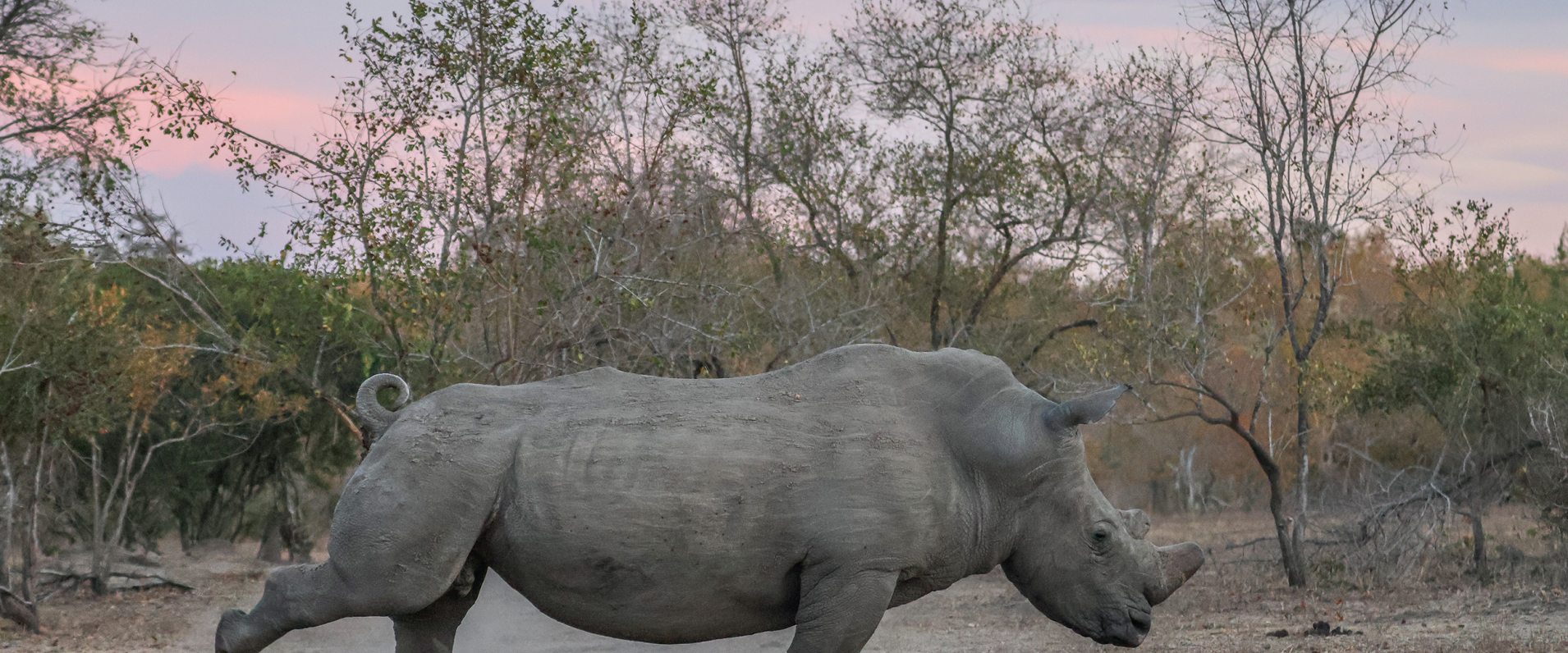
on Nov 05, 2025Few animals embody the ancient spirit of Africa quite like the rhinoceros. Towering, powerful, and surprisingly gentle, these prehistoric giants have roamed the continent’s landscapes for millions of years. But beyond their iconic presence, rhinos play a vital and often overlooked role in maintaining the delicate balance of our ecosystem.
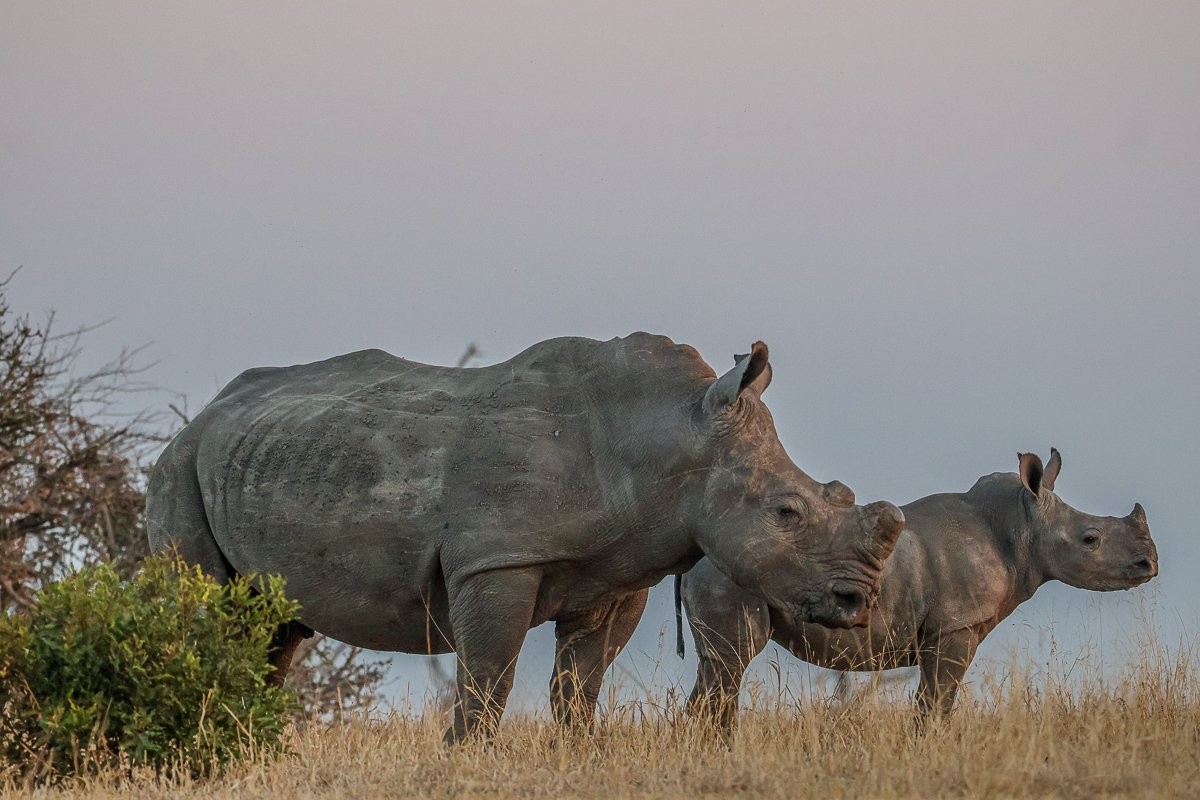
NATURE'S GARDENERS
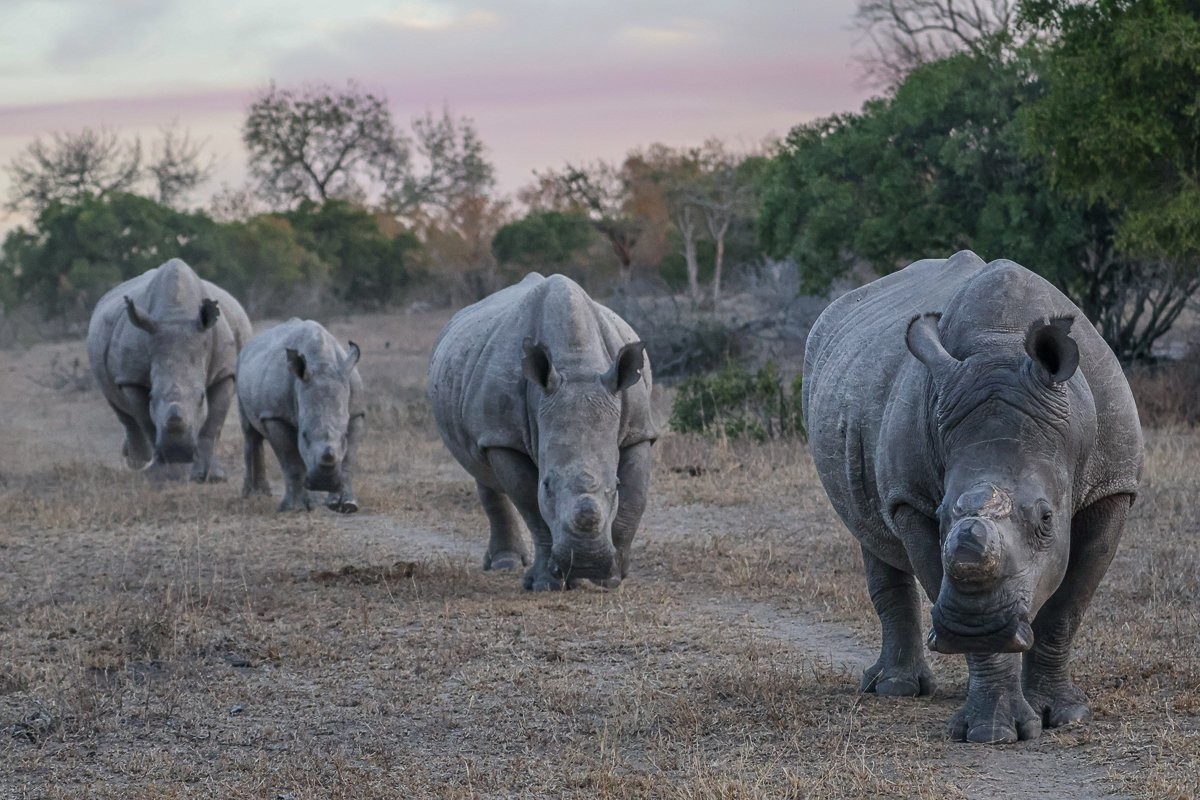
Rhinos are primarily grazers - particularly the white rhino, which spends much of its day feeding on short grasses. As they move slowly across the plains, their constant grazing helps shape the vegetation structure. By trimming the grass, rhinos prevent certain species from dominating, encouraging new growth and maintaining the grasslands. This not only benefits other herbivores such as zebras and impalas but also attracts predators that depend on these prey species. In essence, rhinos create and sustain the habitats that support an entire web of life.
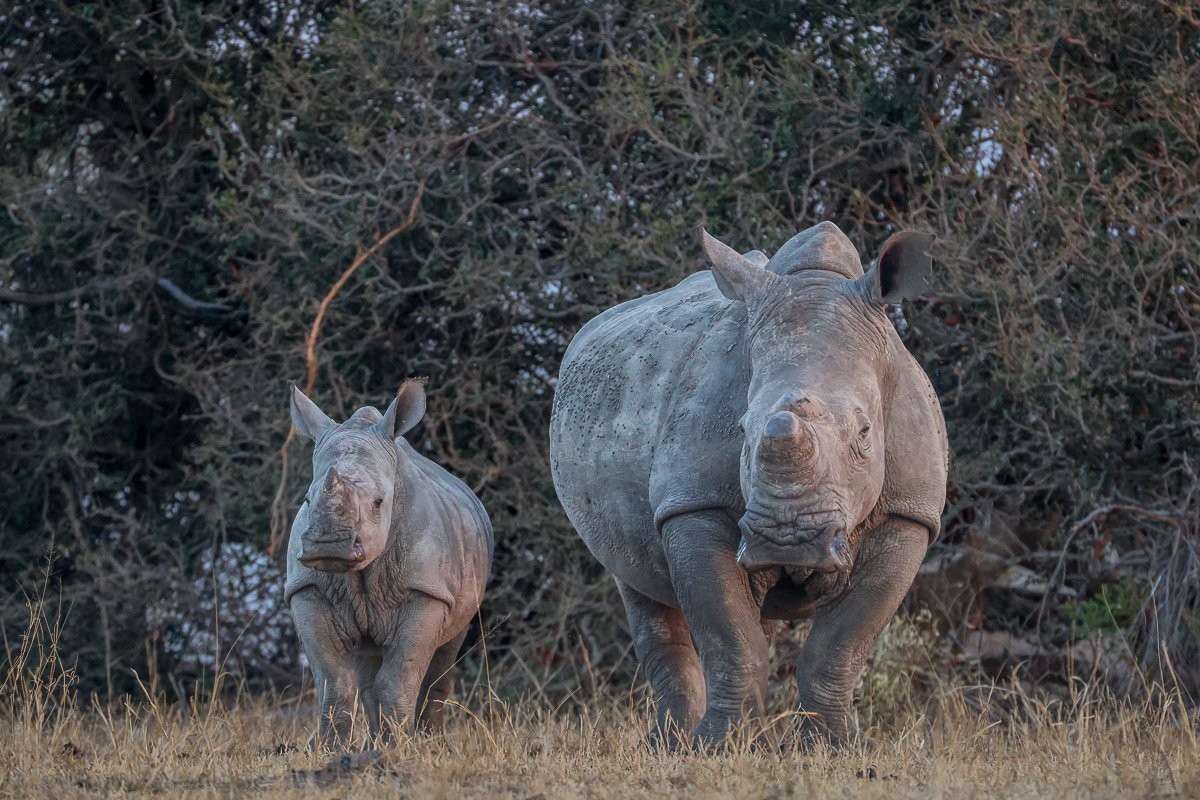
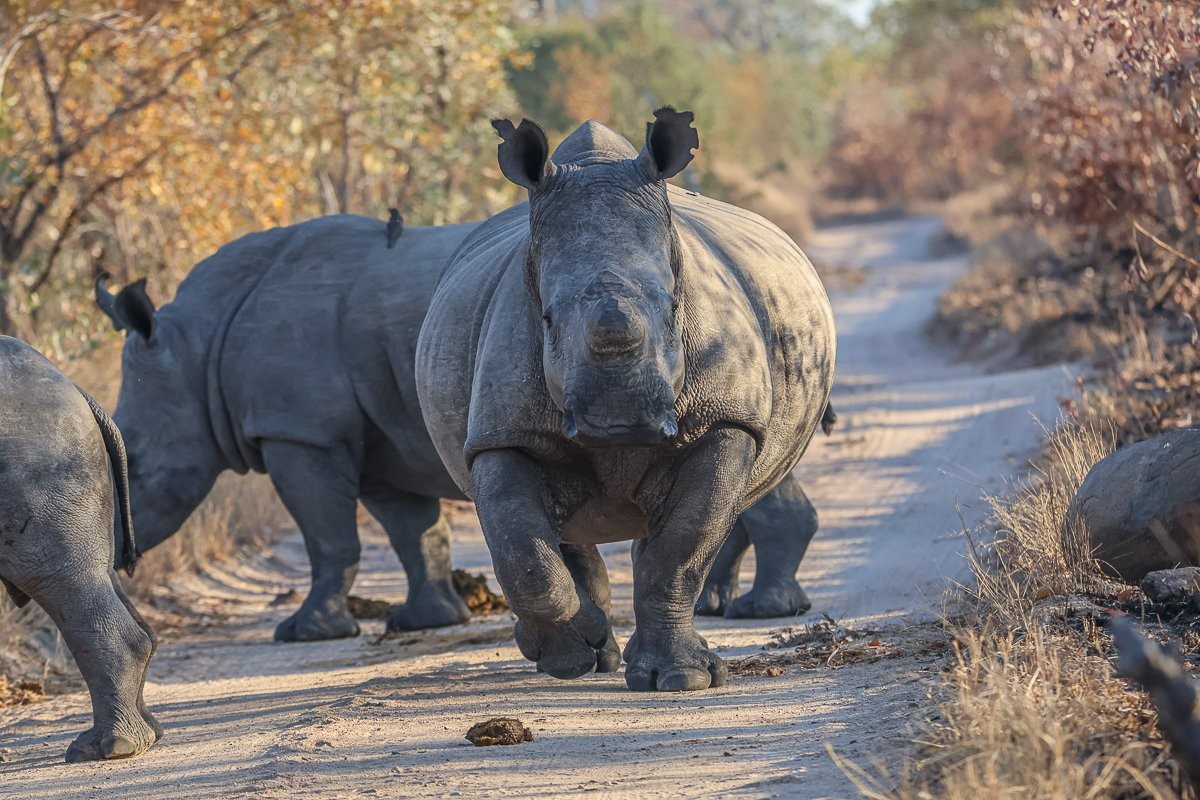
SOIL ENGINEERS AND SEED DISPERSERS
Every step a rhino takes influences the land beneath it. Their wide feet and sheer weight help compact the soil in some areas and loosen it in others, creating microhabitats that support a range of plants and insects.
In addition, rhinos disperse seeds through their dung, which is rich in nutrients and provides fertile ground for germination. Their middens - communal dung heaps - become mini ecosystems themselves, attracting dung beetles, insects, and small mammals, each playing their own role in the nutrient cycle.
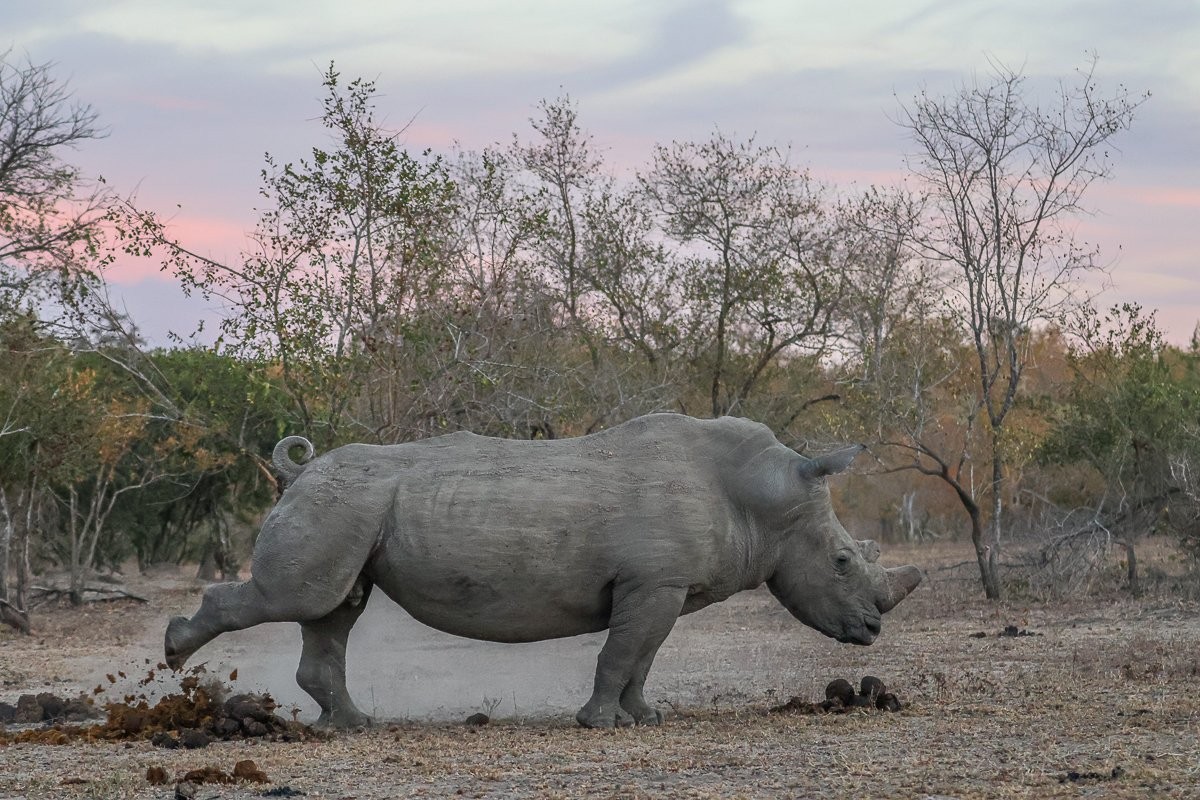
WATERWAYS AND BIODIVERSITY
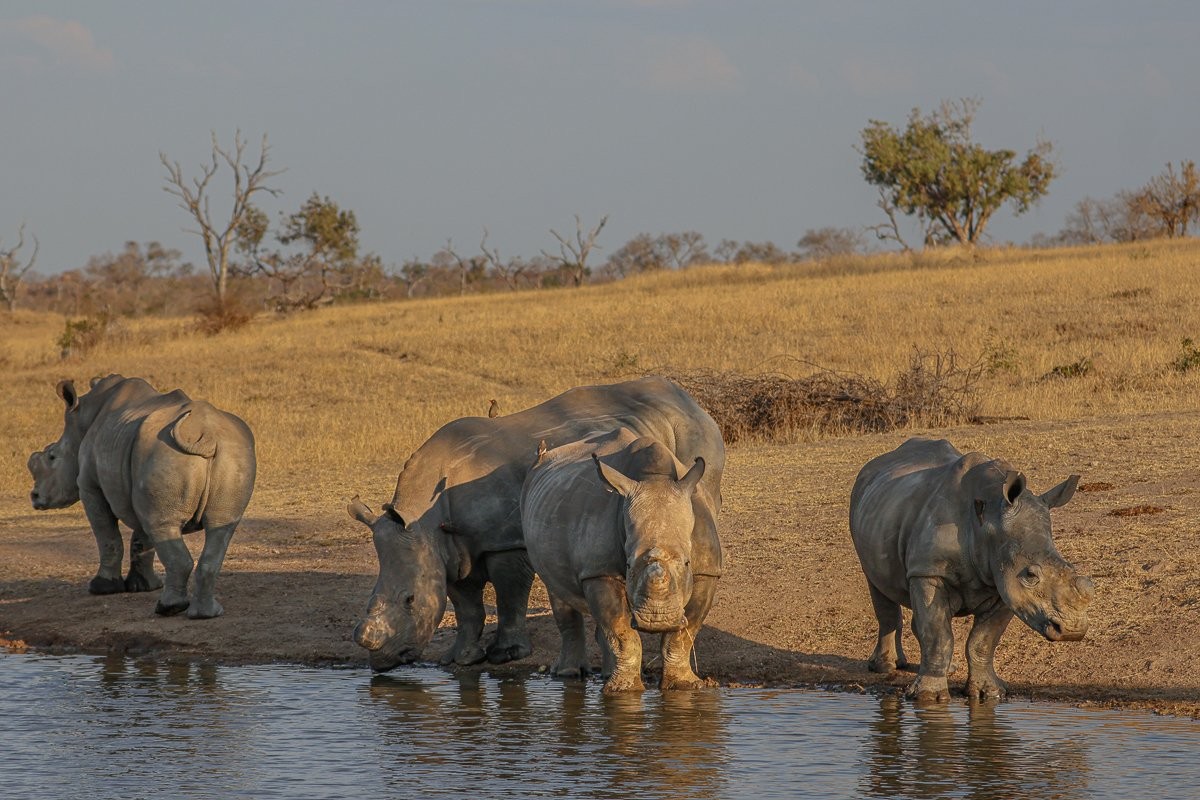
By maintaining open grassy areas near waterholes and riverbanks, rhinos help reduce encroachment by woody plants. This supports a diversity of species and ensures that vital water sources remain accessible to other animals. The biodiversity of these ecosystems is directly linked to the presence of large grazers like rhinos.
Rhinos also often frequent natural pans and wallows, keeping them open and preventing them from becoming overgrown. Their wallowing behaviour helps maintain these small but critical water sources for numerous species, especially during dry periods.
A SYMBOL OF RESILIENCE
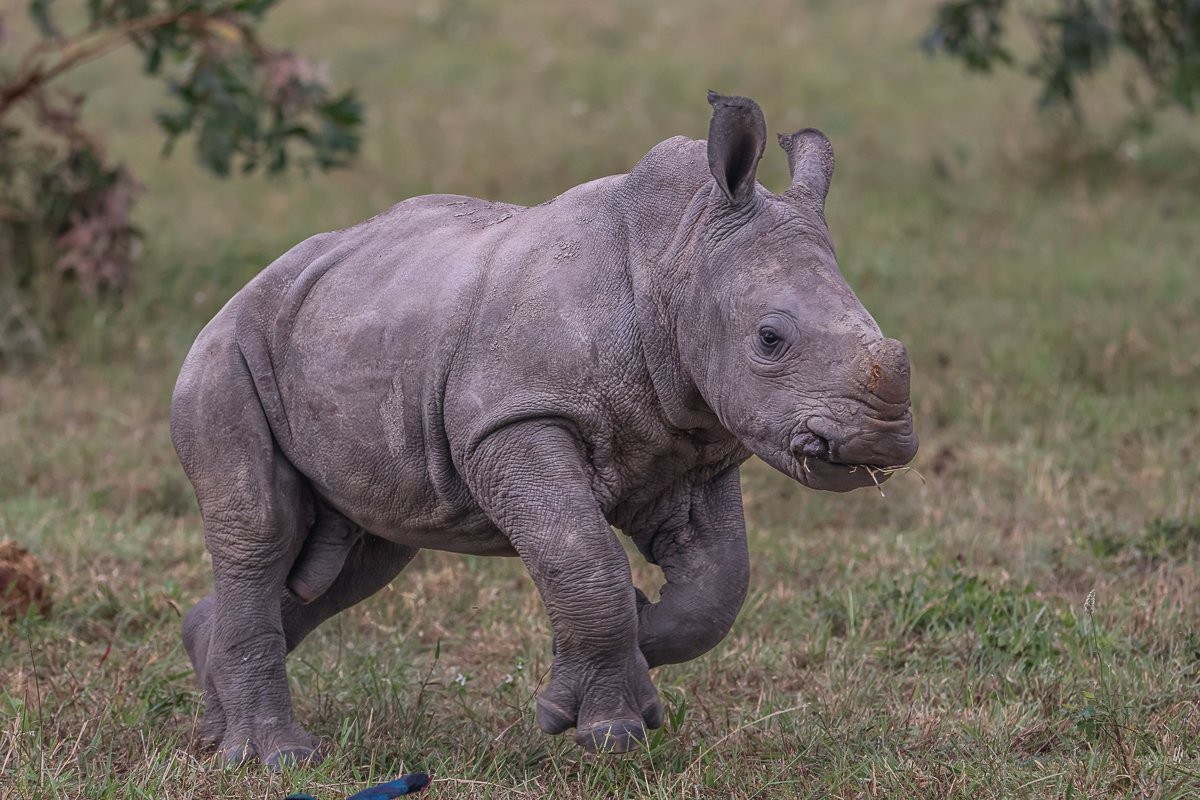
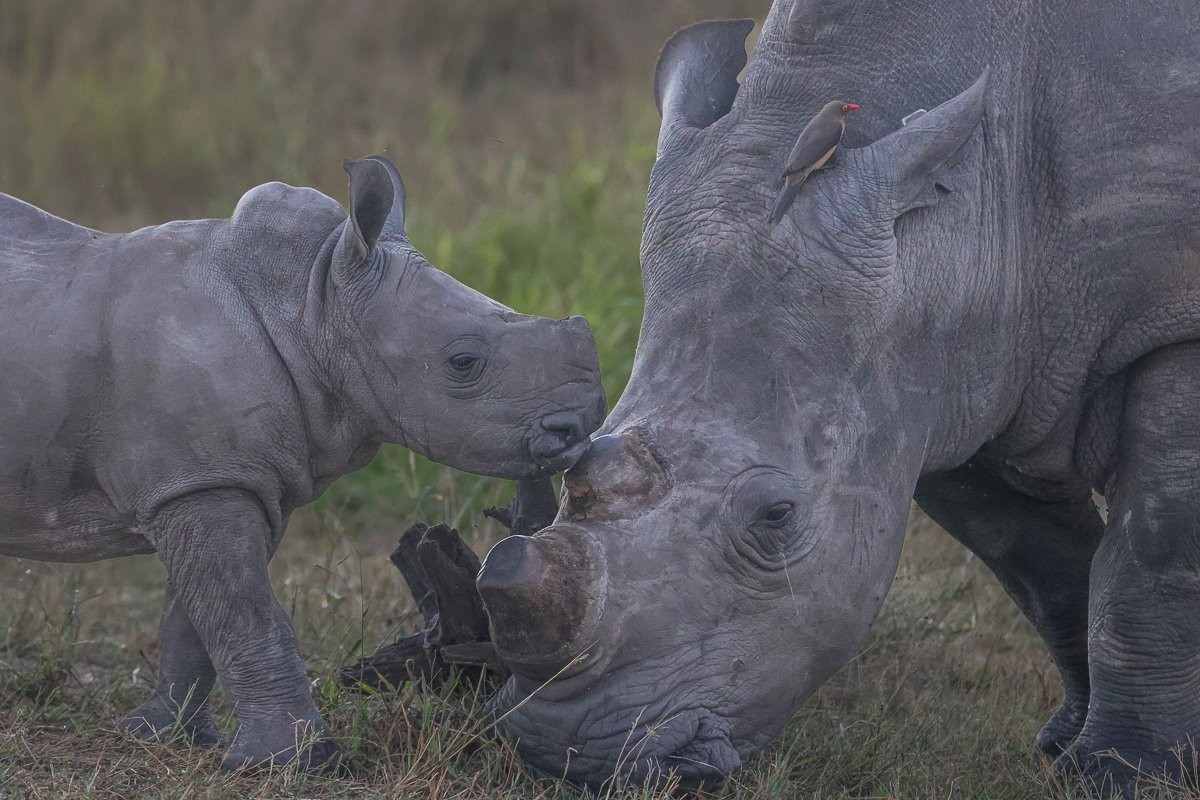
Beyond their ecological importance, rhinos represent strength, endurance, and the interconnectedness of life. Protecting them safeguards countless other species that share their habitat. In many ways, rhinos are a flagship species - by conserving them, we conserve entire ecosystems.
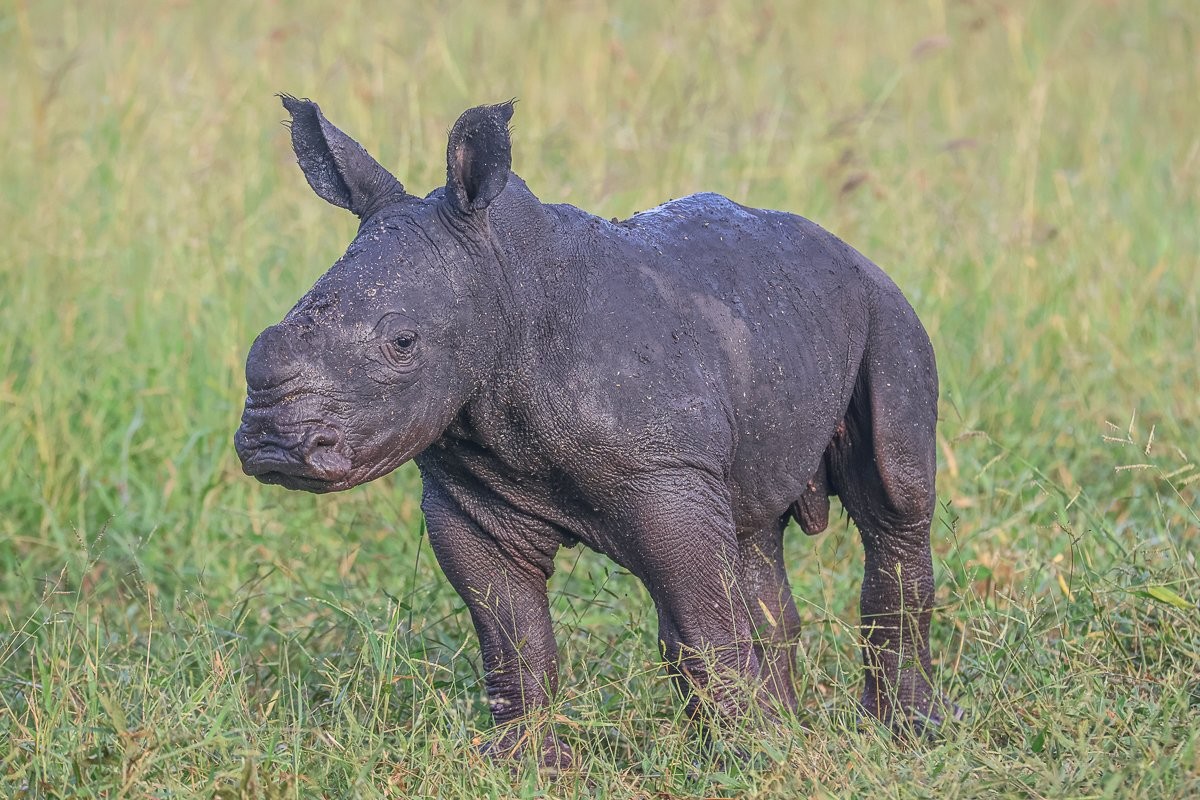
DUNG BEETLE SUPPORT
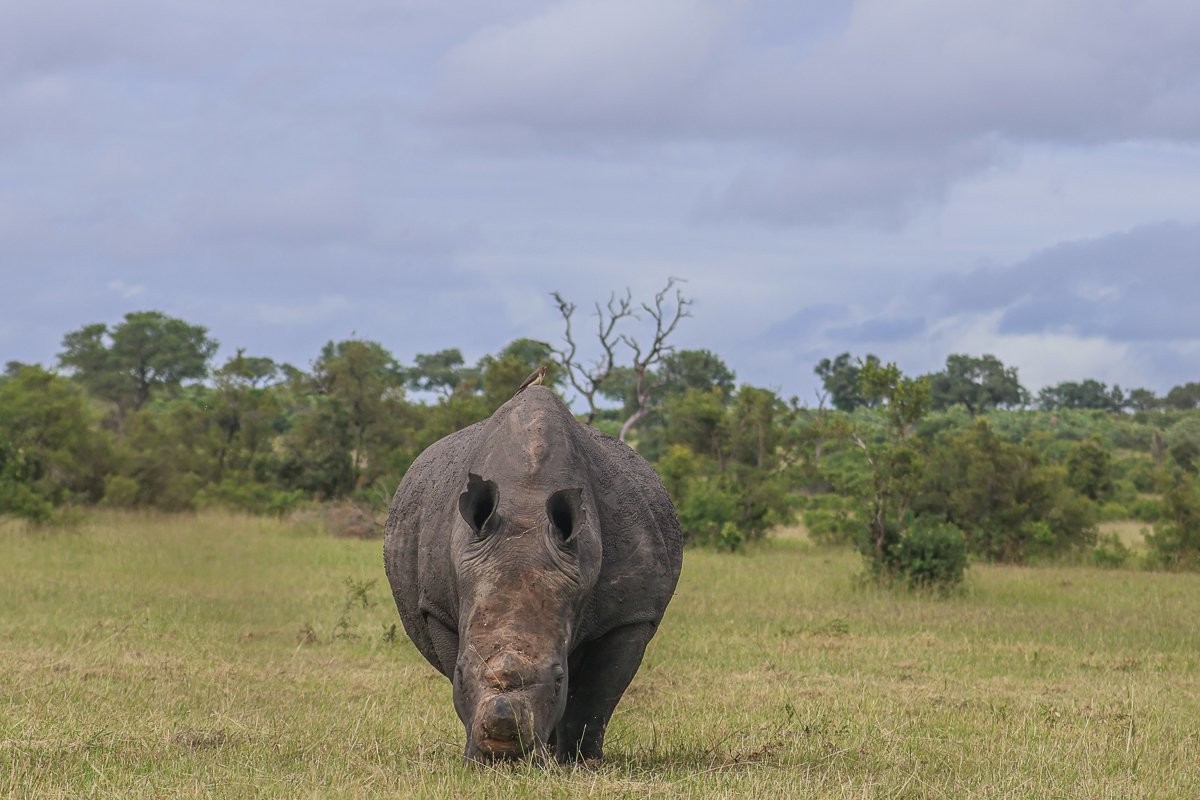
Rhino dung is a vital resource for dung beetles, which are used for food and reproduction. These beetles play an essential role in nutrient recycling and soil aeration. A single rhino midden can sustain dozens of beetle species, supporting an entire micro-ecosystem beneath the surface.
Rhinos also have deep cultural significance across Africa, representing ancient heritage, strength and endurance. Eco-tourism centered around seeing these magnificent animals in their natural habitat contributes significantly to local economies, creating jobs and funding conservation programs.
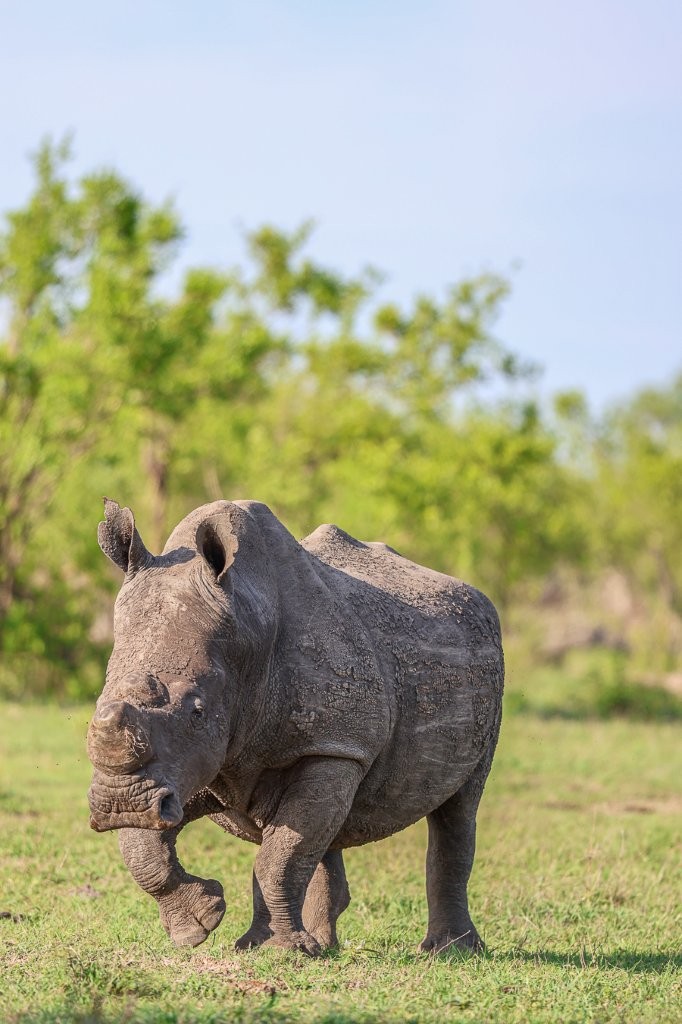
At reserves like Sabi Sabi Private Game Reserve, dedicated anti-poaching units, research programs, and habitat management play a critical role in protecting these ancient giants. Each rhino sighting on safari is a reminder of ongoing efforts to ensure they continue to roam freely for generations to come.
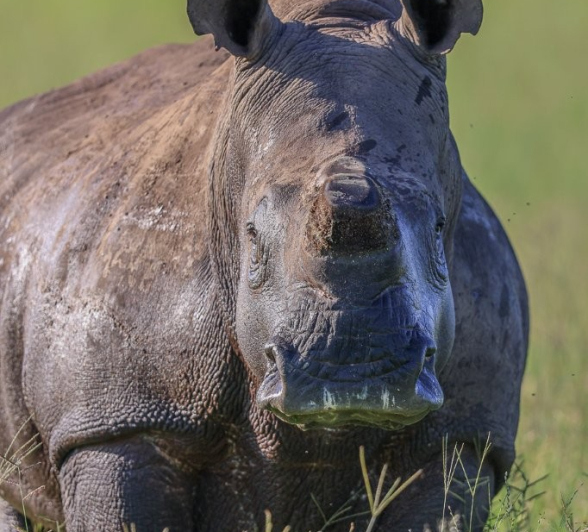
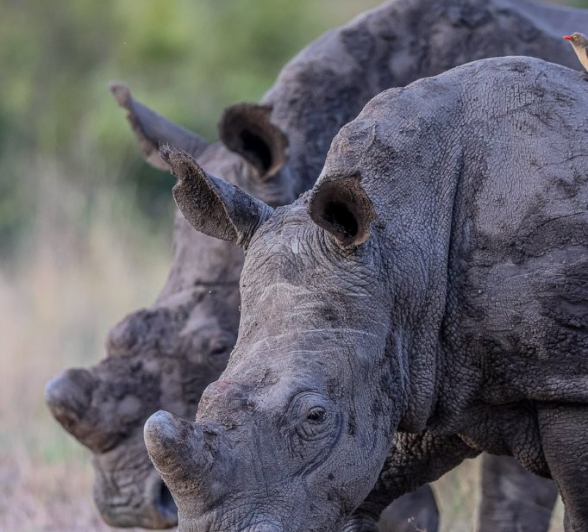
Overall, rhinos are far more than a thrilling sighting on safari. They are quiet custodians of Africa’s grasslands - shaping, fertilising, and nurturing the landscapes that sustain life across the bushveld. Their survival ensures the health of entire ecosystems, a reminder that every creature, no matter how large or small, has a vital role to play in nature’s grand design. Let us all stand together in the fight to protect these beautiful species and ensure their survival against their biggest threat yet, humanity.
Blog by Ruan Mey (Earth Lodge Ranger)